Grooming changes as a dog ages, and not because the dog stops needing it. An older dog in Concord still gets dirty, still grows coat, still needs nails trimmed. What changes is how long the dog can stand, how carefully its skin has to be handled, and how much recovery a big appointment takes out of it.
Shops like Hott Dogs adjust the appointment itself for senior dogs: shorter sessions, more breaks, and comfort put ahead of a perfect finish. This comparison lays out what actually changes between a standard adult groom and a senior groom, so owners know what to ask for.
Standard groom vs. senior groom
| Part of the visit | Standard adult groom | Senior groom |
|---|---|---|
| Length of appointment | One continuous session until finished | Shorter sessions, sometimes split across two visits |
| Position | Standing on the table for most work | Sitting or lying breaks, work done in stages, non-slip support |
| Bath | Full bath and high-velocity dry | Gentle water pressure, careful drying, extra attention to chilling |
| Coat goal | The requested style at full finish | A practical, easy-care length the owner can maintain at home |
| Nails | Trimmed to standard length | Trimmed in small amounts more often, watching stiff joints while handling paws |
| Pace signals | Dog is expected to tolerate the full routine | Trembling, panting, or trying to sit is a cue to pause or stop and reschedule the rest |
| Scheduling | Any open slot | Quieter times of day, first appointment so there is no long kennel wait |
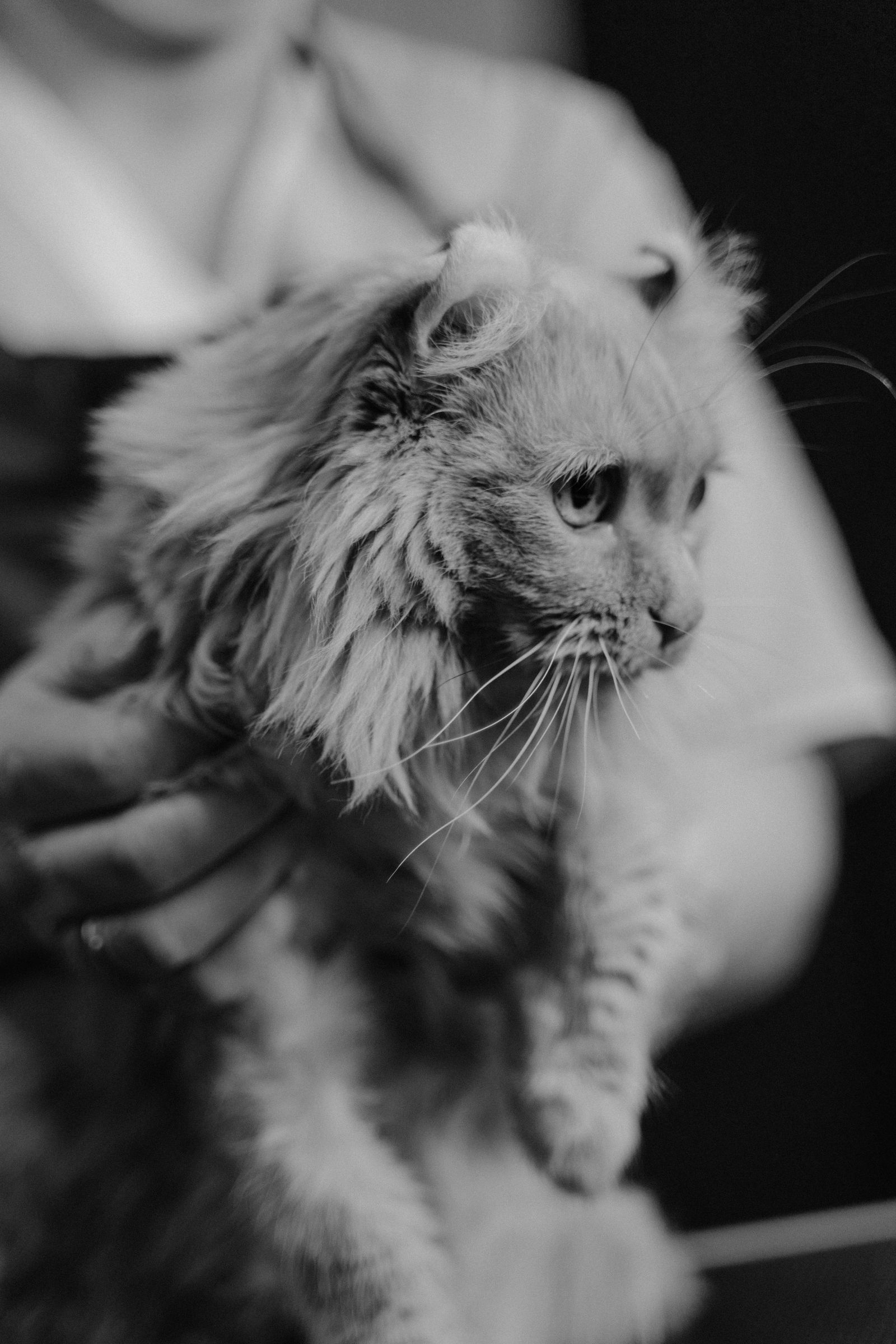
Arthritis runs the appointment
The most common limit on a senior groom is joint pain. Standing on a table for an hour asks a lot of hips, elbows, and a spine that are no longer young. Add a slippery surface and a dog who is also a little deaf or unsure of its footing, and the appointment becomes something the dog endures rather than tolerates.
The fixes are practical: mats for grip, letting the dog sit or lie down for the parts that allow it, lifting and turning the dog slowly, and stopping for real rest instead of pushing through. Owners can help by saying plainly where the dog is stiff, whether it can be lifted under the chest, and whether a veterinarian has cleared it for grooming at all after a recent procedure or diagnosis.
Skin, coat, and health checks change too
Senior skin is thinner and tears more easily, so blades and brushes are used with a lighter hand and mats are clipped out rather than pulled. Lumps and bumps multiply with age, and groomers work around them, noting new ones for the owner. That noticing is genuinely useful: a groomer puts hands on the whole dog every month or two and is often the first person to find a new growth, a sore that is not healing, or a patch of irritated skin hidden under coat.
Hearing and vision loss matter in handling. A dog who cannot hear the dryer startle-response or see a hand coming needs slower introductions to every step. Tell the groomer. It changes how the dog is approached, not whether it can be groomed.
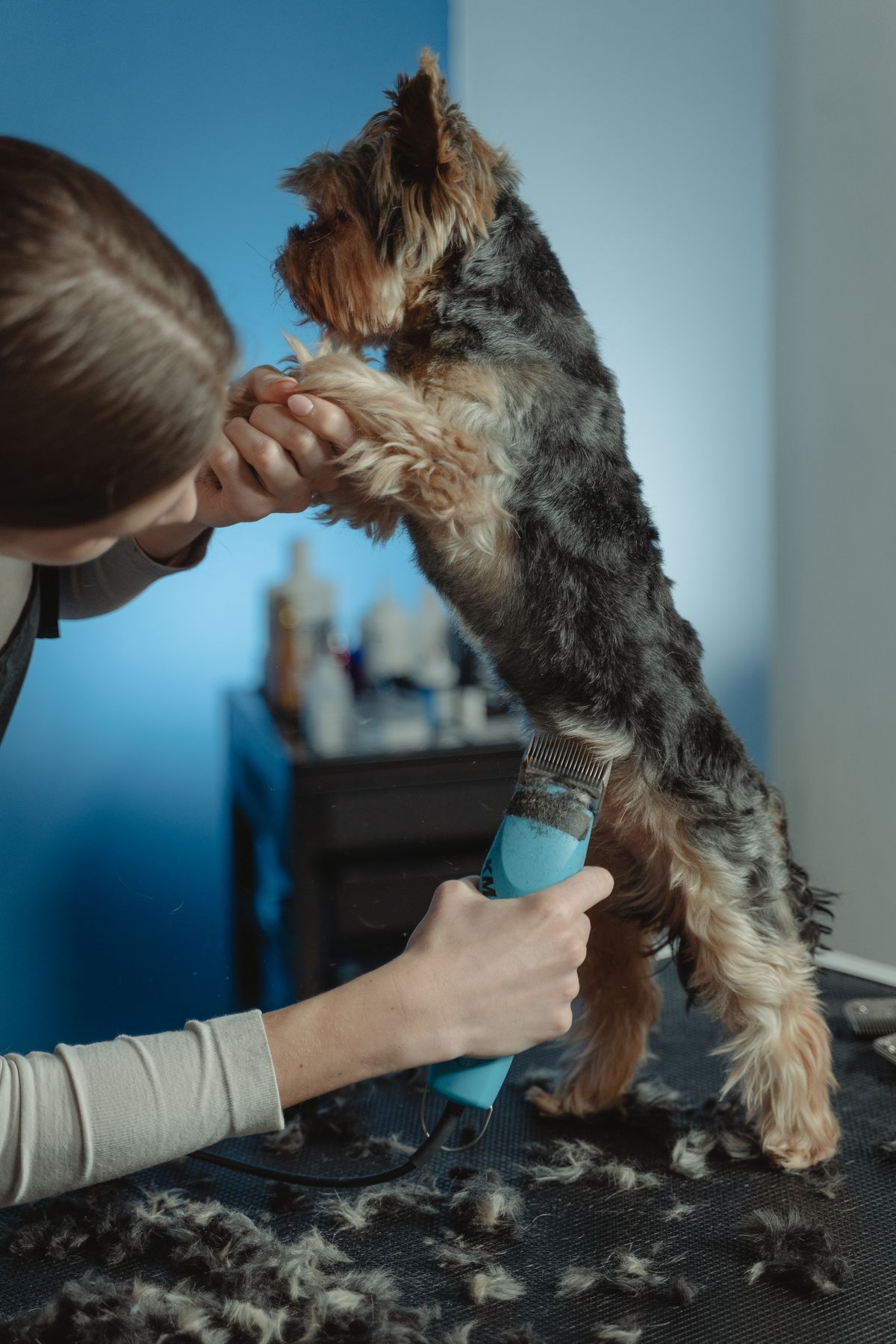
Closer to home base
There is a reason this guide's title ends where it does. For a senior dog, shorter trips and familiar places matter. A local Concord groomer the dog already knows, a first-of-the-day slot with no waiting, and a ride home to its own bed beats a long day across town. If travel itself has become hard, ask honestly whether a shorter maintenance visit, doing bath and nails this time and coat next time, serves the dog better than the full works.
At some point the kindest grooming plan may be a comfort groom only: clean, nails safe, coat short enough to need nothing at home, and no attempt at a styled finish. That is not giving up on the dog. It is matching the service to the dog in front of you, which is what good grooming at Hott Dogs and any thoughtful shop is supposed to do at every age.
Common questions
How often should a senior dog be groomed?
On roughly the same coat schedule as before, but with shorter and gentler appointments. Nails in particular should not be stretched out, since long nails worsen already stiff joints.
Should I stay during my senior dog's groom?
Ask the shop. Some dogs settle better with the owner nearby, and some settle better without. For a first senior appointment, a quieter time slot usually helps more than either.
When is a dog too old to groom?
Age alone rarely cancels grooming, but health can change the format. If your dog has a heart condition, recent surgery, or cannot stand, get your veterinarian's guidance on what grooming is safe.
Photos in this guide are representative stock images.
← All guides from Hott Dogs← Back to Hott Dogs